Just pull over safely, turn on your hazard lights, and call roadside assistance or a local towing company. Stay inside if traffic or weather makes walking risky, note nearby landmarks, and contact your insurer or preferred mechanic for quick service.
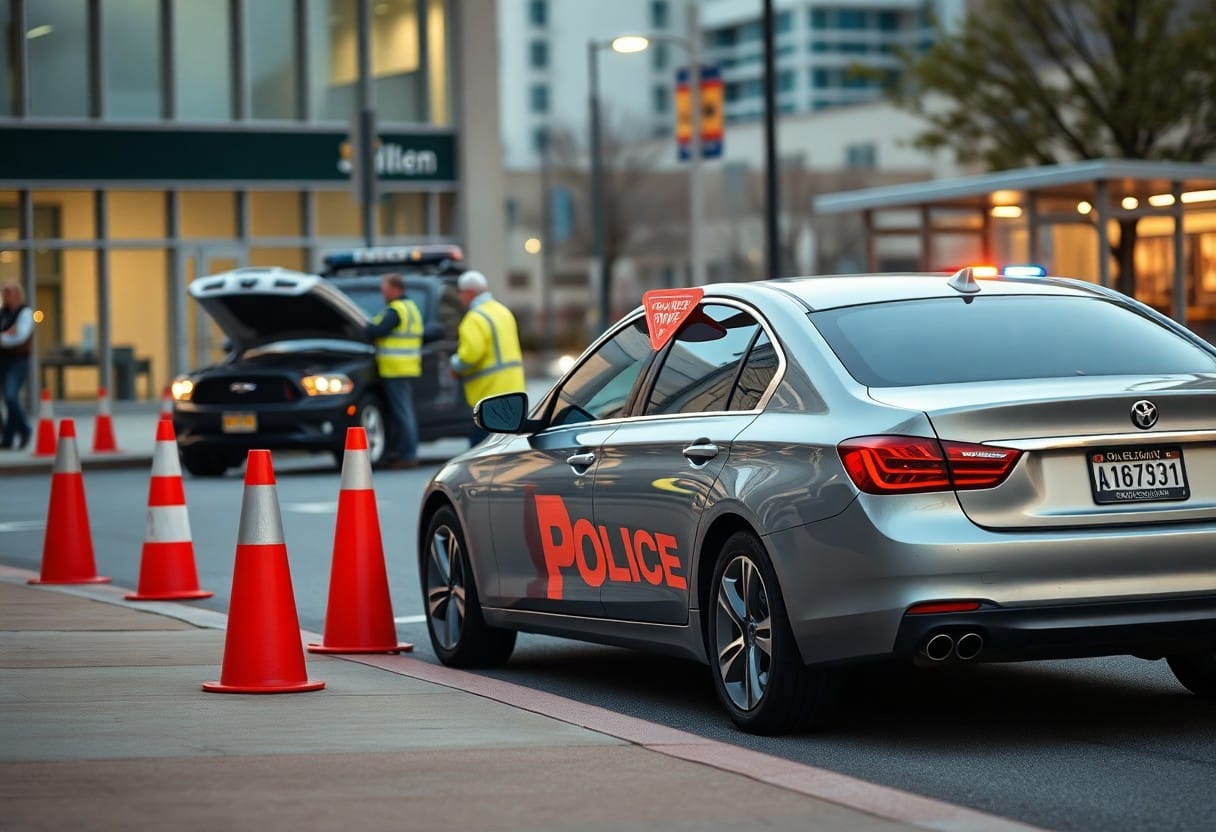
Immediate Safety and Hazard Mitigation
Park your vehicle off the road, exit on the passenger side if traffic is heavy, switch on hazard lights, and place reflective triangles or flares if you have them. Contact roadside assistance and emergency services if injuries or fire risk exist.
Securing the vehicle outside active traffic lanes
Move your car to the shoulder or a wide turnout if possible, engage the parking brake, and leave wheels turned away from traffic on slopes. Keep you and your passengers on the sidewalk side and avoid standing behind the vehicle.
Enhancing visibility for passing motorists
Activate your hazard lights immediately, set up reflective triangles behind the car, and wear a high-visibility vest when outside. Use phone flashlight or flares in low light to signal approaching drivers.
Position warning devices at increasing distances (10, 100, 200 feet) to give drivers time to slow, and angle them to face oncoming traffic. Avoid standing between your car and traffic; remain visible and behind barriers when possible.
Determining Your Precise Location
Check nearby street signs, building numbers, or traffic signals and note the closest cross street so you can tell dispatch exactly where you are for faster response.
Identifying landmarks near Main Street and Century Parkway
Look for the Allen Event Center, the Century Parkway shopping strip, the corner gas station, or prominent public art and report the nearest landmark to guide responders quickly.
Utilizing GPS data for emergency responders
Use your phone’s Share Location or drop-a-pin feature to send exact coordinates to 911 or a towing service so crews can find you without delay.
Share a live location link from Maps, Messages, or a chat app and include a screenshot showing the dropped pin so dispatch can confirm your view. Enable location services and verify GPS accuracy before sending; if accuracy is poor, move a few feet off the road to improve signal. Provide the numeric latitude/longitude plus the nearest intersection or named building in case responders cannot access your device, and if your battery is low, text the coordinates immediately and tell 911 the closest visible landmark.

Initial Mechanical Assessment
Check your surroundings and the engine bay for smoke, leaks, dashboard lights, or unusual noises; stay off the road and use hazard lights while assessing the issue.
Identifying common causes of sudden breakdowns
You can often tell the problem by symptoms: rapid clicking or no crank for a dead battery, overheating steam, flat tire bulge, or fuel odor indicating empty tank or leak.
Deciding between onsite repair and professional towing
Assess whether traffic, visible damage, or safety concerns prevent a roadside fix; choose onsite repairs only if you have tools, experience, and a safe pull-off spot, otherwise call a tow.
If you can safely complete a quick fix like a jump start or tire change and it keeps you out of traffic, you may save time and money; call a mobile mechanic if unsure. If the issue involves structural damage, fluid leaks, or an unsafe location, arrange professional towing-confirm shop hours, ETA, price, and whether your insurance or roadside plan covers the service, then document condition and receipts for claims.

Engaging Professional Assistance
You should contact a professional tow or mobile mechanic when your car can’t be driven; confirm location, estimated arrival, costs, and insurer acceptance before authorizing service.
Vetting local Allen towing and recovery providers
Ask for company references, proof of licensing and insurance, equipment types, and an estimated price before you approve a tow.
Utilizing manufacturer or insurance roadside programs
Check if your vehicle warranty or insurance policy includes roadside assistance; call the program number for authorized service providers and covered services.
Contact your insurer or manufacturer roadside line and provide VIN, location, and symptom; keep the claim number, verify towing distance limits, whether repairs are covered, and whether they’ll direct you to an approved shop to avoid unexpected charges.
Adhering to Local Ordinances
Follow local towing and parking ordinances to avoid fines and remove hazards. You should pull clear of traffic, use hazard lights, and place a warning triangle if available. If the vehicle cannot be moved, call the city or roadside assistance immediately and stay in a safe location.
Understanding downtown Allen parking restrictions
Observe posted meter rules, time limits, permit zones, and tow-away signage downtown; enforcement peaks during events and cleaning. You must avoid blocking alleys, fire lanes, and loading zones to prevent immediate towing or fines.
Reporting disabled vehicles to avoid municipal fines
Report disabled vehicles to the Allen non-emergency line or online portal as soon as possible; provide exact location, vehicle description, and hazard details so you avoid fines or prolonged obstruction.
Contact the city dispatch and tell them the street, nearest intersection, vehicle color, plate number, and whether the vehicle blocks traffic or a driveway. Provide your contact number if you move the car or leave a note. Expect officers or a tow within 30-90 minutes in busy times; keep tow receipts and photos if you contest a ticket.
Managing Logistics and Safety While Waiting
When your car breaks down near downtown Allen, lock doors, turn on hazard lights, and move to a safe spot away from traffic if possible. Call roadside assistance and local non-emergency police, keep your phone charged, and stay in a well-lit area while waiting.
Identifying safe pedestrian areas in the downtown core
Identify crosswalks, public sidewalks, and business lobbies as safer spots where you can wait; avoid grassy medians and blind curves. Keep your backpack or valuables with you and remain visible to drivers.
Coordinating alternative transportation and ride-sharing
Book a rideshare or call a taxi if towing will take long; share your live location with the driver and confirm the vehicle make, plate, and driver before entering. Wait in a public, well-lit spot and keep belongings close.
Consider checking fare estimates, pooling options, and accessibility features in the app before you request a ride; verify the driver’s name and plate, send your ETA to a friend, and cancel immediately if anything seems off. If you rely on paratransit or local shuttles, check schedules and call providers directly to confirm pickup points near downtown Allen.
Conclusion
To wrap up, you should move your vehicle to a safe spot if possible, activate hazards, contact roadside assistance or towing, call local police if blocking traffic, share your exact location with responders, and wait inside with doors locked until help arrives.
FAQ
Q: What should I do first if my car breaks down near downtown Allen?
A: Pull your vehicle completely off the roadway to the nearest safe spot such as a shoulder, parking lot, or well-lit curb. Activate hazard lights and set the parking brake. Place reflective triangles or flares behind the car if you have them. Assess immediate danger; call 911 if anyone is injured or if the vehicle is creating a serious traffic hazard. If you feel unsafe, stay inside with doors locked and call local police or roadside assistance.
Q: How do I get a tow or roadside help in downtown Allen?
A: Check your insurance or membership for roadside assistance like AAA and call that provider first for a tow or jump start. Use a reputable towing company by searching recent local reviews or using a trusted app; confirm the company name, ETA, and an upfront price estimate before accepting service. Give the dispatcher precise location details such as cross streets, nearby businesses, or GPS coordinates. Request the tow truck driver’s name and vehicle ID, and take photos of your car and the tow truck for your records.
Q: What should I do if I feel unsafe or are approached by someone offering help?
A: Stay inside your locked vehicle with windows partially up and doors locked. Call 911 or the Allen Police Department if you feel threatened or if a caller seems suspicious. Accept help only from clearly marked emergency or towing vehicles and ask for official identification before letting anyone near your car. Contact a friend or family member to stay on the phone until help arrives and avoid leaving valuables visible in the car.
Q: Can I attempt basic roadside repairs like a flat tire or dead battery myself?
A: Change a flat tire only if you have the proper jack, a functioning spare, and a safe, level place to work; set the parking brake and use wheel chocks if available. For a dead battery, use jumper cables or a portable jump starter and follow correct hookup order: positive to positive, negative on the donor to a metal ground on the disabled vehicle. If you are unsure, uncomfortable, or working in heavy traffic, call a professional service to avoid injury or further damage.
Q: How do I choose a repair shop in downtown Allen and what paperwork should I expect?
A: Select a shop with current online reviews and ASE-certified technicians when possible. Ask for a written estimate before authorizing work and request details on parts, labor rates, and warranty terms. Keep copies of the tow receipt, repair estimate, and final invoice for insurance claims. If repairs exceed an agreed limit, require authorization in writing before the shop proceeds. Confirm shop hours and whether they provide a courtesy shuttle or rental recommendations if you need alternate transportation.