towing services in Allen TX should offer prompt response times, properly licensed and insured operators, up-to-date flatbeds and wheel-lift equipment, transparent pricing and written estimates, clear proof of credentials, and positive reviews; verify that technicians follow safety protocols and offer roadside assistance options so you get reliable, legal, and efficient recovery when you need it.
Key Takeaways:
- Verify active towing license, proof of insurance, and registration to ensure legal protection for you and your vehicle.
- Check 24/7 availability and typical response times for Allen, TX – faster arrival matters for safety and reduced wait time.
- Confirm the company has the right equipment (flatbed, wheel-lift, heavy-duty) and experience for your vehicle type and situation.
- Ask for transparent pricing, written estimates or fees breakdown, and whether additional charges (winch, mileage, after-hours) apply.
- Evaluate reputation via local reviews, references, Better Business Bureau/industry affiliations, and driver professionalism/safety practices.
Licensing and Regulations
Importance of Licensing
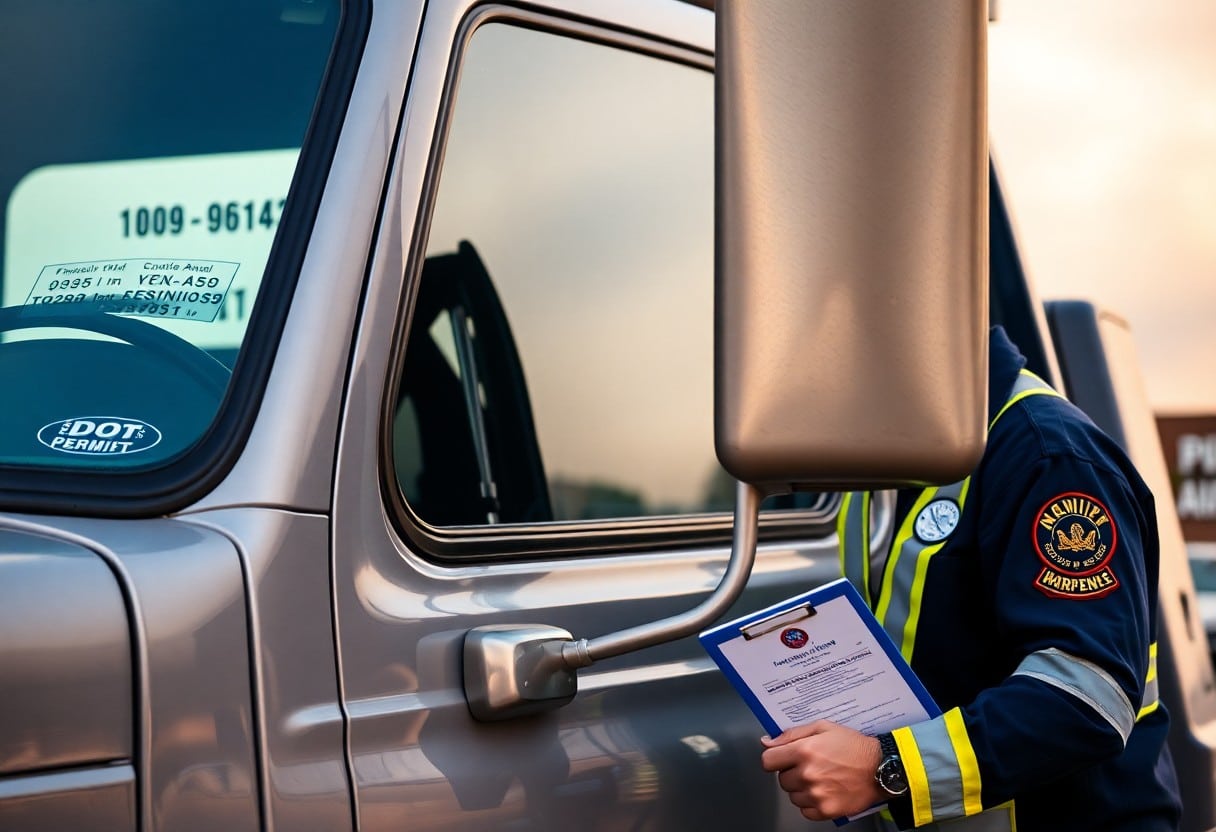
You should confirm a towing company holds state or municipal licenses, proof of insurance, and operator certifications before you agree to service. Licensed operators maintain regular vehicle inspections, carry liability and garage-keeper policies, and provide written invoices-examples include liability coverage often starting around $100,000 and garage-keeper limits you can request to see. Verifying credentials reduces the chance of damage, inflated fees, or unlawful impoundment and gives you a clear point of recourse if something goes wrong.
Local Regulations in Allen, TX
You should check that the tower complies with Allen-specific rules: many providers must hold a City of Allen business license, follow the city’s towing ordinance, and be eligible for police or property-owner rotation lists. Confirming local authorization protects you from unauthorized tows and ensures the company follows city-mandated signage, storage, and release procedures.
To verify quickly, ask the company for their City of Allen permit or vendor ID and call Allen City Hall or the non-emergency police line to confirm; also request an insurance certificate showing liability and garage-keeper coverage (common minimums you can expect are around $100,000 liability and $50,000 garage-keeper as a baseline). Expect clear, posted rates-typical local hook-up fees run $75-$150 plus $2-$5 per mile-and a written release policy with 24-hour access; if the company is on the city’s approved rotation for accident tows, that’s a strong indicator they meet municipal standards.
Experience and Reputation
When assessing reputation, prioritize towing companies that document local experience, fleet size, and contract work-firms with 8-15 years in Allen and fleets of 6-12 trucks that report completing 5,000-20,000 tows typically have refined protocols, trained drivers, and established relationships with repair shops and law enforcement for efficient recoveries and liability management.
Years in Business
You should favor providers with at least 5-10 years of continuous operation; a 12-year company, for example, has likely navigated seasonal call spikes, state inspections, and driver turnover. Ask for total tows completed, tenure of lead operators, and examples of complex recoveries to confirm institutional knowledge beyond basic roadside assistance.
Customer Reviews and Testimonials
You should review Google, Yelp, and BBB ratings for patterns-look for a 4.5+ average and multiple recent mentions of punctuality, damage-free hauls, and clear invoices. Pay attention to response behavior: timely, corrective replies to negative reviews indicate accountability, while recurring complaints about hidden fees or vehicle damage are warning signs.
Dig deeper by identifying consistent themes over the past six months: repeated praise for 20-30 minute arrivals, night-time winch-outs, or dealer referrals signals dependable service; repeated mentions of extra charges or dents warrant verification. You can also request local references, check timestamps on review photos, and compare quoted arrival times against reviewer timestamps to validate performance claims.
Range of Services Offered
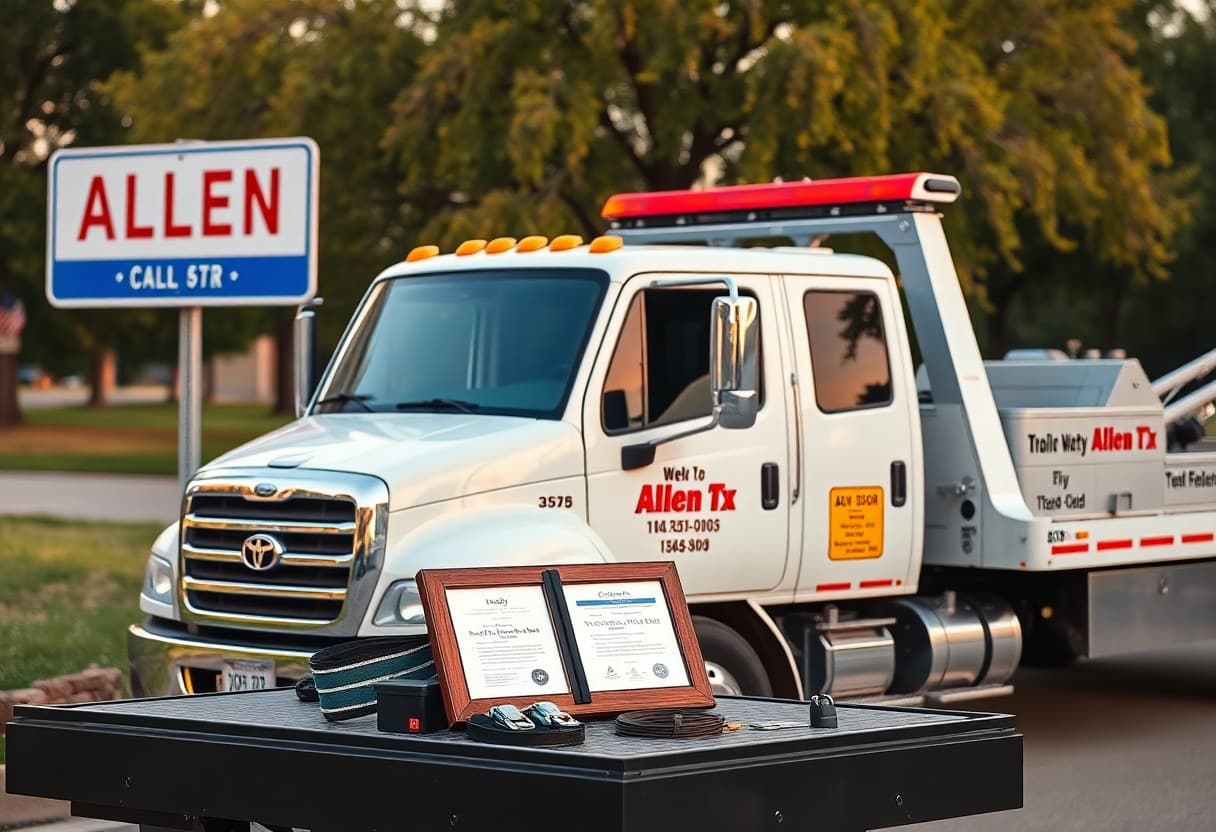
Expect licensed towers to combine 24/7 response with specialized rigs: flatbeds, wheel-lifts, integrated carriers, and heavy-duty wreckers. Many companies advertise 15-30 minute urban response times and offer local towing (10-75 miles) plus long-distance transport and storage. You should verify fleet size, available equipment, and whether they handle motorcycles, RVs, or commercial fleets to match your vehicle’s needs.
Types of Towing Services
You’ll encounter several tow methods tailored to vehicle type and situation; choose based on damage risk and load. Flatbeds carry luxury and AWD vehicles, wheel-lifts are faster for short moves, integrated trucks handle buses and heavy equipment, dollies suit short transfers, and heavy-duty units recover large commercial rigs. Perceiving which method is used helps you estimate safety, timing, and potential fees.
- Flatbed – safest for luxury, AWD, or totaled cars
- Wheel-lift – quick for short, local tows
- Integrated – designed for buses and heavy trucks
- Dolly – economical for short-distance moves
- Heavy-duty – for large SUVs, tow trucks, and commercial rigs
| Flatbed | Best for luxury, AWD, and non-drivable vehicles; minimizes drivetrain stress |
| Wheel-lift | Faster hookups for short local tows; lower cost but more axle load |
| Integrated | Used for buses/commercial trucks; combines boom and wheel-lift for stability |
| Dolly | Temporary, budget-friendly option for front- or rear-wheel tows over short distances |
| Heavy-duty | Recovers large rigs, heavy equipment, and multi-vehicle incidents |
Additional Roadside Assistance
You should expect more than towing: common add-ons include 12V battery jumpstarts, lockout service, tire changes using your spare, and emergency fuel delivery (often up to 5 gallons). These services often resolve your issue on-site and avoid a tow when the problem is minor.
Many licensed providers track average on-scene times and supply technicians trained for diagnostics: they carry jump packs, lockout kits, and basic tools to replace a flat or diagnose a charging issue. You can ask whether fuel deliveries are billed per gallon or as a flat service fee, whether technicians can perform minor mechanical repairs, and if the company documents on-site work with photos or receipts for your records.
Response Time and Availability
When stranded, you need a towing partner who arrives fast and reliably; expect 15-30 minute response times within Allen city limits and 30-60 minutes for outskirts or during severe weather. You should ask about fleet size, GPS dispatching, and peak-hour performance-providers that publish average arrival times and offer live tracking usually handle high-demand periods more effectively.
24/7 Services
Verify that you can call any time: a genuine 24/7 provider answers after-hours, holidays, and overnight without routing you to voicemail. Ask whether technicians are on-site or on-call, what services run overnight (flatbed, winch, lockout), and whether they deploy surge staffing during storms so your wait doesn’t extend past quoted windows.
Average Response Times
Demand the carrier’s average response time metric and how it’s calculated-median versus mean can change the story when outliers exist. You should expect written SLAs for commercial accounts and a realistic range for consumer calls; during rush hour or heavy rain, plan for 1.5-2× baseline times.
Probe for evidence: request 30-day dispatch logs or GPS timestamps, since reputable firms can show a rolling average (for example, 22 minutes citywide) and explain peak spikes. Also confirm their wait and cancellation policies-many charge after a 15-20 minute on-site wait-so you can decide whether to wait or seek alternate transport.
Pricing and Transparency
Expect a clear breakdown of fees before work begins; you should get a written or texted estimate showing base hookup, per-mile rate, flatbed or winch surcharges, storage and taxes. Typical local base fees run $50-$100, per-mile charges $2.50-$5.00, flatbed or specialty pulls add $25-$75, and winching can be $75-$150. If the company hesitates to itemize, treat that as a red flag for unclear billing practices.
Cost Estimates
Ask for an itemized quote based on your vehicle make/model, exact pickup/drop locations, and required service (flatbed, dolly, winch). Many Allen companies give phone estimates, but only a written estimate is binding; request base fee, per-mile rate, mileage minimums, estimated total and accepted payment methods. When a dispatcher gives a range, insist on a firm price once a truck is assigned.
Hidden Fees to Watch For
Watch for hookup or drop fees, storage per day ($20-$50), after-hours multipliers (typically 1.2-1.5×), mileage minimums, fuel or admin surcharges, and charges for oversized vehicles or apartment lot recoveries. These commonly omitted items can add $40-$200 to your final bill and often appear only on the invoice.
For example: a nighttime tow with a $75 base plus $3/mi for 15 miles equals $120; a 25% after-hours surcharge raises it to $150, then add a $90 winch and $40 next-day storage and the total hits $280. You should demand an itemized invoice, verify whether quotes include caps on charges, and confirm payment timing and accepted methods before work begins.
Insurance and Liability
You should verify the towing company’s insurance before you hand over keys: request certificates showing commercial auto liability, general liability, and garagekeepers coverage. Many reputable local towers carry $500,000-$1,000,000 in auto liability and matching general liability, with garagekeepers limits often starting at $50,000; get policy numbers and effective dates so you can call the insurer if a dispute arises.
Importance of Insurance
Having the right insurance means you aren’t left paying for damage the tow operator causes; if an attendant dents your bumper during loading or causes a fender-bender en route, commercial auto liability typically pays for bodily injury and property damage. Ask for a certificate of insurance and verify that coverage is active for the date and time of service.
Liability Coverage Details
Commercial auto liability covers accidents while the truck is operating, garagekeepers covers theft or damage while your vehicle is in custody, and general liability handles third-party property or bodily injury at the scene. Confirm limits, whether garagekeepers is “on-hook” versus “foot” coverage, and if payouts are based on agreed value or actual cash value to understand potential out-of-pocket exposure.
Also check policy specifics: confirm named insured, policy effective/expiration dates, deductible amounts, and whether the tower’s insurance is primary. Inquire if the company carries workers’ compensation for operators and physical damage on their tow units. If you discover $3,200 in repair bills after a tow, knowing whether garagekeepers or auto liability applies – and the deductible – determines how quickly and fully you’re reimbursed.
Summing up
Considering all points you should verify the company’s license and insurance, confirm prompt 24/7 response and reliable equipment, check towing capacity and storage policies, read local reviews and ask about driver qualifications, get transparent written estimates and payment options, and ensure they follow safety protocols and provide proof of release and receipts so your vehicle is handled professionally and returned securely.
FAQ
Q: How can I verify a towing service is properly licensed and insured in Allen TX?
A: Ask the company for its towing license number and proof of insurance before work begins; request certificates showing liability and cargo/vehicle coverage. Confirm licensing and complaint records with the City of Allen and Collin County if applicable, and check that the tow truck displays company identification and any required state or local permit numbers.
Q: What equipment and vehicle standards should a licensed towing service in Allen TX meet?
A: The company should have the right truck for your vehicle-flatbed for low-clearance or luxury cars, wheel-lift or integrated rigs for standard tows, and heavy-duty trucks for large vehicles. Trucks should be well-maintained, clearly marked with the company name and unit number, equipped with winches, straps, and safety chains, and carry proper lighting and reflective equipment for roadside safety.
Q: How should pricing, estimates, and billing be handled?
A: Request a written or digital estimate that breaks down hookup/tow fees, mileage, after-hours or winching charges, and daily storage rates. Ask about payment methods accepted, whether they take insurance assignments, and get an itemized receipt when the job is complete. Verify any storage lien procedures and how long vehicles are held before fees escalate.
Q: What safety practices and driver qualifications are important?
A: Drivers should have appropriate training and any required commercial licenses, use proper vehicle securing techniques, and follow roadside safety protocols (cones, hazard lights, wheel chocks). Inquire about company policies for driver background checks, drug testing, and ongoing equipment inspections to ensure safe handling of your vehicle.
Q: How can I check a towing company’s reputation and responsiveness in Allen TX?
A: Read recent local reviews on Google, Yelp, and the Better Business Bureau; look for consistent reports on response time, professionalism, and billing transparency. Confirm 24/7 availability if needed, ask for local references, and check whether the company works with area law enforcement and insurance providers-consistent local presence often means faster response and clearer post-tow procedures.