
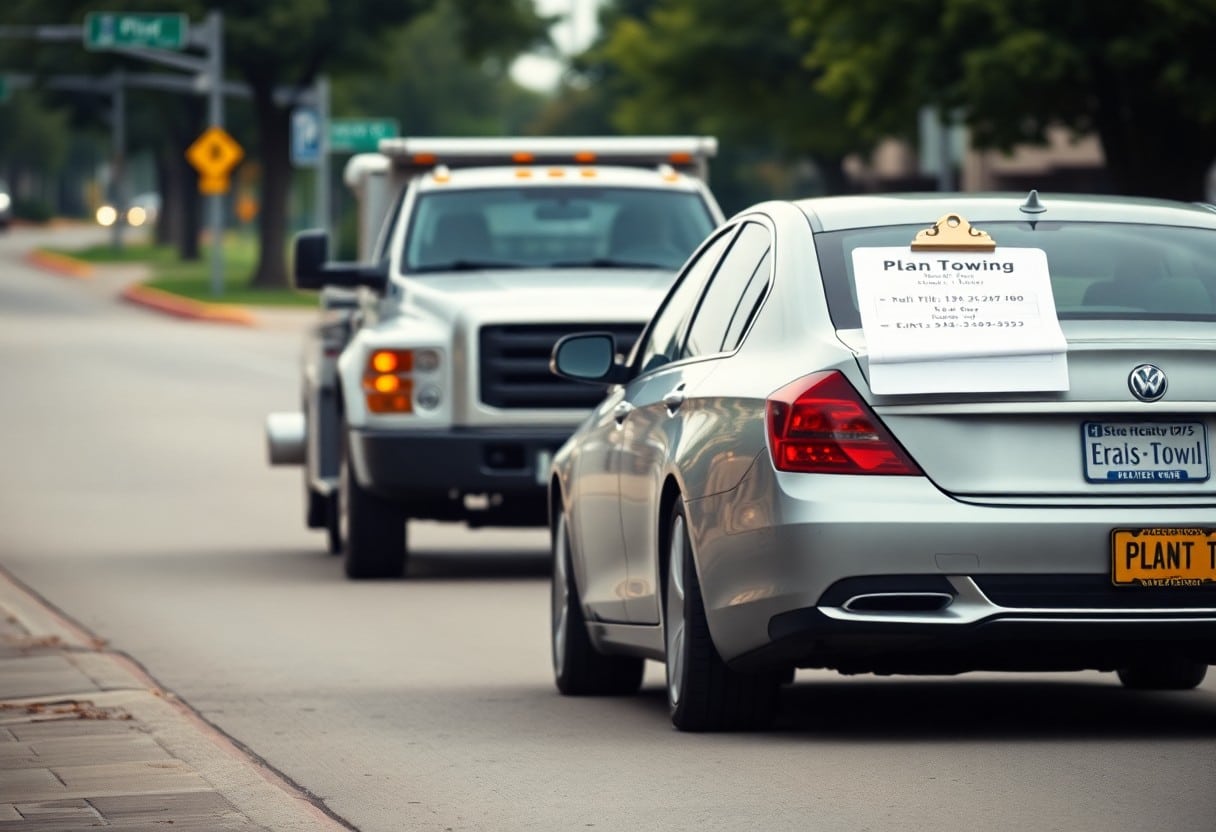
Long distance towing is what you call when the destination is not the nearest shop two exits away. It covers cross-town dealer deliveries, out-of-area body-shop moves, relocating a project car, or taking a disabled vehicle farther than a standard local hook is built for. ATM Towing Services runs 24/7 dispatch for local and longer hauls so you are not stuck guessing whether the truck on the way can finish the job.
If you need a truck now, call (469) 547-5721 or email Contact Us.
Table of contents
- What counts as long distance towing
- When a longer haul makes sense
- Equipment that protects the vehicle
- What dispatch needs before the truck rolls
- How longer tows are usually priced
- Long distance vs local hook vs roadside
- Route and timing realities
- What you should expect on scene
- FAQ
- Call ATM Towing
What counts as long distance towing
There is no universal mile marker that flips a job from local to long distance. In practice, the label means the tow is planned as a deliberate transport to a farther destination, not a short recovery to the closest safe lot. That can be across DFW metros, to a specialty shop outside your usual radius, or to a storage site that is simply not next door.
Drivers search the phrase when they already know the car cannot stay where it sits, and the destination is chosen for repair quality, insurance network rules, or personal logistics. The important part is matching truck type, securement, and schedule to that farther drop-off—not forcing a light-duty hook into a haul it was never meant to finish.
When a longer haul makes sense
- Your preferred body shop or dealership is farther than the nearest open bay
- Insurance or a fleet manager assigns a specific repair location
- You bought or sold a vehicle that needs transport instead of a risky drive
- A breakdown left you far from home and a short tow only creates a second move later
- The vehicle is AWD, low-clearance, EV, or crash-damaged and should ride on a deck
If the car still rolls safely and you only need a jump, spare tire help, or a few gallons of fuel, start with emergency roadside assistance instead of booking a long haul. Escalating to a tow after a failed roadside fix is normal; starting with the wrong service wastes time.
Equipment that protects the vehicle
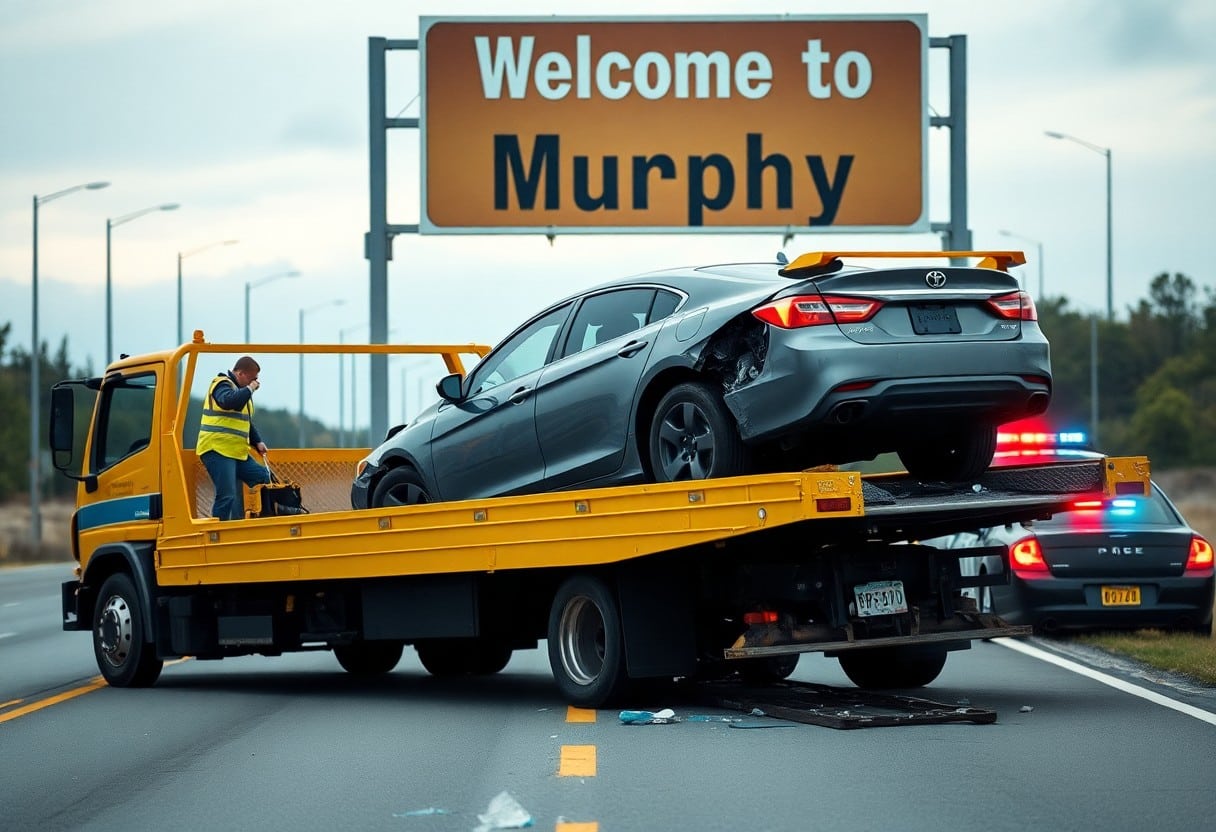
Most long distance passenger jobs favor a flatbed tow truck. The entire vehicle rides on the deck, which reduces drivetrain stress and keeps damaged wheels off the pavement. Wheel-lift trucks still have a role for clearances and quick local recoveries, but longer trips with salvage titles, EVs, or low cars usually belong on a rollback.
For commercial pieces, box trucks, or equipment, ask whether the call needs light-duty, medium-duty, or heavy duty towing. A mismatch at pickup is expensive: the first truck arrives, cannot load safely, and everyone waits on a second unit.
What dispatch needs before the truck rolls
- Exact pickup pin or address, including parking garage height limits if relevant
- Drop-off name, address, and whether someone must meet the driver
- Year, make, model, drivetrain (2WD / AWD / 4WD), and running condition
- Keys, lockout status, and any aftermarket body kits that change ground clearance
- Special notes: EV, low air suspension, missing wheels, fluid leaks, or police hold
Clear details let dispatch send the right truck the first time. Vague “somewhere on the highway” descriptions slow arrival and increase the chance of a second trip.
How longer tows are usually priced
Longer tows are typically built from a hookup or base fee plus mileage, with equipment class and after-hours timing layered on top. Storage, wait time at a crowded shop, or winch work before the vehicle can load can add line items. Ask for the destination to be confirmed in the quote so you are not comparing a short tow price to a cross-metro move.
For a broader look at fee drivers, see our guide on how much it costs to tow a car (scheduled deep dive). Payment method and whether the shop is expecting a drop should be settled before the truck leaves the scene.
Long distance vs local hook vs roadside
Car towing covers the general category. Local hooks solve nearby shop or residence drops. Roadside calls fix or stabilize on scene. Long distance towing is the transport layer: planned miles, right deck, and a destination that justifies the drive. Mixing those intents is how people end up paying twice—once for a short tow to a random lot, then again to the shop they actually needed.
Route and timing realities
DFW traffic, construction zones, and weather change ETAs more than map apps suggest for a loaded truck. A flatbed with a secured vehicle accelerates and stops differently than a passenger car. Share any hard deadline (shop closing time, ferry window, auction cutoff) up front so dispatch can be honest about whether the schedule is realistic.
If the vehicle is in a tow yard already, release paperwork and lot hours matter as much as the road miles. Our tow yard fees and release guide covers the holds and documents that block pickup before the long haul even starts.
What you should expect on scene
The operator will confirm the destination, inspect for loose parts, and choose a load method that matches the vehicle. You should get a clear path: load, secure, travel, unload at the agreed spot. Stay in a safe location away from traffic, keep pets and kids clear of the deck, and photograph existing damage if you need records for insurance.
If plans change mid-route—shop closed, wrong bay, new address—call dispatch instead of negotiating only with the driver. Updated miles and wait time are easier to handle when the office knows immediately.
FAQ
Is long distance towing the same as auto transport?
They overlap, but they are not identical. Auto transport often means scheduled multi-car carriers for running vehicles. Long distance towing usually means a tow truck or rollback moving one disabled or high-care vehicle to a specific drop. If the car cannot roll onto a carrier, towing is the right tool.
Can you tow an EV a longer distance?
Yes, when the truck and method match the vehicle. Many EVs need flatbed transport and manufacturer-aware handling. Tell dispatch the model so they do not use a method that stresses the drivetrain.
Do I have to ride with the tow truck?
Policies vary by company and insurance. Many drivers arrange their own ride. Confirm when you book so nobody assumes a passenger seat is available.
What if my destination changes after pickup?
Call dispatch right away. A new drop can change mileage, ETA, and price. Mid-route surprises are harder when the truck is already committed to a path.
Can ATM handle overnight or weekend longer hauls?
ATM dispatches around the clock. Night and weekend timing can affect arrival windows because of traffic patterns and shop receiving hours, so share constraints early.
Call ATM Towing
Ready to move a vehicle farther than a quick local hook? Call (469) 547-5721 for 24/7 dispatch, or email Contact Us. Share pickup, destination, and vehicle details so the right truck shows up the first time.