
It’s wise to verify a towing company in Lucas: ask for liability and cargo certificates, confirm policy numbers with the insurer, check workers’ comp and state registration, and keep written proof before you allow any tow.
Understanding Texas Insurance Requirements for Towing
Texas requires towing operators to carry state-specified insurance; you should verify minimum liability, on-hook cargo, and garagekeepers coverage, plus policy numbers and expiration dates before hiring.
Minimum liability coverage standards in Lucas
You must confirm the tow company meets Texas minimum liability limits for bodily injury and property damage; request a certificate of insurance showing the insurer, policy number, and effective dates.
The importance of “On-Hook” cargo insurance
Check that on-hook cargo insurance covers damage to your vehicle while it’s on the tow; without it you could face repair costs if the tow company lacks coverage.
If you want more certainty, request a certificate of insurance that names the towing company and specifically lists on-hook cargo or “tow” coverage and call the insurer to confirm the policy is active. Ask about limits, deductibles, excluded causes like pre-existing damage or improper loading, and the claims process so you know who handles repairs and payments after an incident.
State-mandated garagekeepers legal liability
Lucas requires garagekeepers legal liability to cover vehicles stored or repaired by a tow operator; ask to see this coverage and confirm limits, covered perils, and whether storage locations are listed.
Claims for garagekeepers insurance typically address theft, fire, vandalism, and damage while your vehicle is stored or serviced; determine whether coverage is primary or only legal liability (requiring you to sue first), verify where your vehicle will be held, and keep photos and paperwork to speed any claim process.
Verifying TDLR Licensing and Documentation
Check the tow company’s TDLR license number on the paperwork you receive and match it against state records so you can confirm the provider’s active standing and allowed services.
Searching the Texas Department of Licensing and Regulation database
Use the TDLR online lookup with the company name or license number so you can check registration status, expiration date, and any enforcement actions.
Matching truck placards with state registration records
Match the truck’s placard number with state registration records so you can verify the specific vehicle is listed to the licensed towing company.
Inspect the placard, unit number, and company name on the tow truck and note them for your records. Verify those details on TDLR vehicle records or by calling TDLR so you can confirm the unit belongs to that licensed provider and has no active suspensions.
Confirming active Cab Cards and insurance certificates
Verify the company displays an active Cab Card and a current insurance certificate, and check policy dates to ensure coverage applies to your vehicle and situation.
Request to see the Cab Card and insurance certificate and note the carrier, policy number, and effective dates. Call the insurer or check the policy portal so you can confirm the policy is active and names the towing operation and unit you encountered.
Direct Verification Strategies
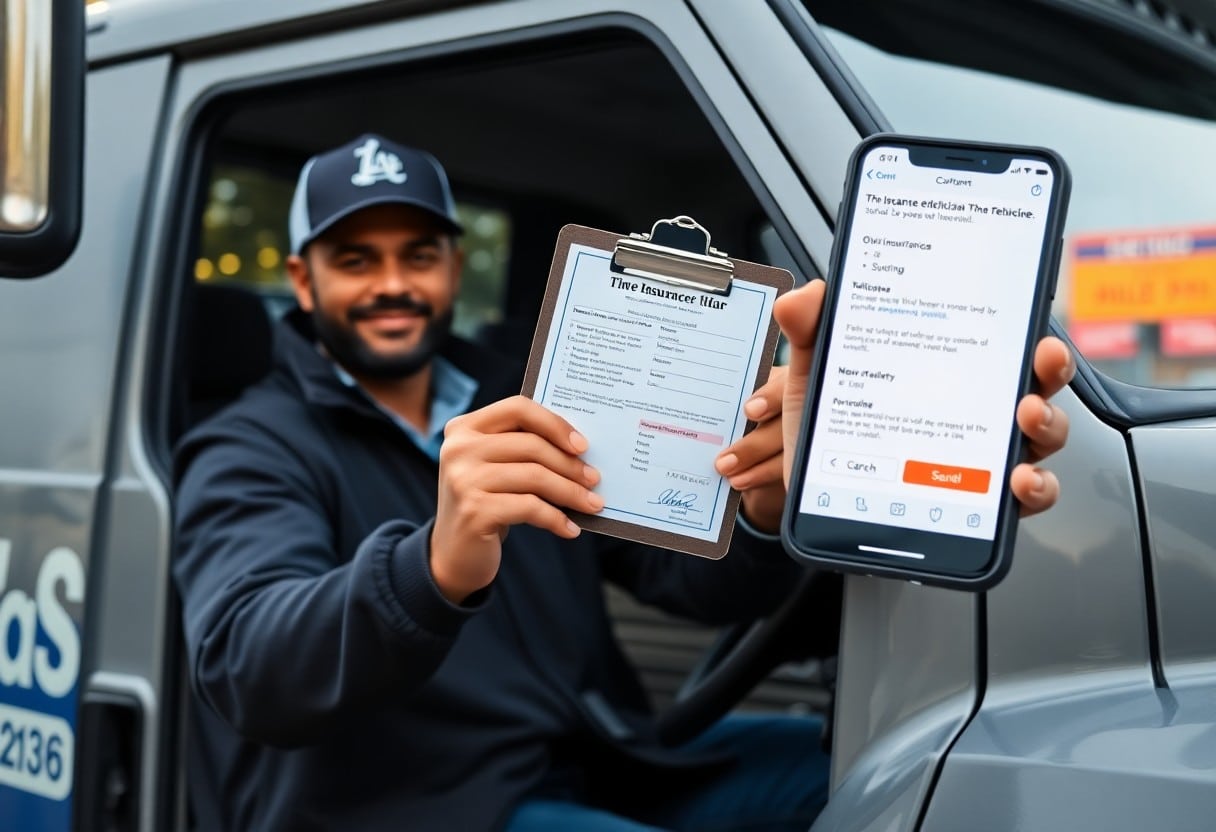
Check the tow company’s paperwork in person and note policy names, numbers, and insurer details so you can verify directly with the carrier rather than relying on signs or verbal claims.
Requesting a Certificate of Insurance (COI)
Ask the company to email or show a Certificate of Insurance (COI) that lists coverage types, limits, and effective dates so you can confirm the policy matches the services you need.
Contacting the insurance provider for policy validation
Call the insurer using the phone number on the COI or the carrier’s public line to confirm active status, policy limits, and whether towing operations are covered; record the rep’s name and reference number.
When you contact the insurer, provide the policy number, named insured, and effective dates; ask specifically if third‑party liability and on‑duty towing are included, whether there are exclusions, and request written or faxed verification so you have proof of what the insurer confirms.
Checking for current expiration dates on physical documents
Inspect the COI or insurance binder for effective and expiration dates to ensure coverage is valid on the date you need service rather than relying on older paperwork.
Compare the document dates to your incident date and, if the policy is near expiration, request an updated COI; an expired document is not proof of current coverage, so get confirmation of continuous protection in writing before authorizing work.
The Risks of Hiring Uninsured Towing Services
Uninsured towing services can expose you to unexpected costs, limited protection, and denied claims; always ask for proof of insurance and policy numbers before authorizing a tow.
Potential liability for roadside accidents
If a tow operator causes a wreck while working, you may be held partially liable if their insurance is absent or insufficient, leaving you to cover damages or medical bills.
Lack of recourse for vehicle damage during transit
When your vehicle is damaged en route and the tow company lacks insurance, you may struggle to recover repair costs or get compensated for loss of use.
Without a valid insurer, the company may have no funds or legal obligation to pay for repairs, leaving you to file a civil suit, chase a small operator with limited assets, or absorb expenses while the repair shop holds your vehicle.
Legal complications with insurance claims and payouts
Because the tow company lacks coverage, your insurer may deny a claim or seek subrogation, complicating payouts and delaying repairs while you sort liability between carriers.
You might face lengthy disputes, payment delays, and legal fees as insurers argue responsibility; collecting compensation could require small-claims court or hiring counsel, which raises your out-of-pocket costs.
Utilizing Local Lucas Resources for Recommendations
Use local contacts-neighbors, community groups, and social pages-to gather recommendations and quick checks on a tow company’s insurance and reliability before you call for service.
Consulting with local law enforcement and city registries
Ask Lucas police non-emergency or city offices if they keep lists of licensed, insured towing vendors; they can tell you about complaints, permits, or known scams so you choose safely.
Reviewing professional association memberships and ratings
Check trade association directories and Better Business Bureau ratings for active memberships, accreditation, or complaint histories so you can verify a tow company’s insurance claims before hiring.
Investigate specific listings by contacting associations to confirm membership status, request proof of insurance tied to the company name, and review any disciplinary actions; you should also read BBB complaint summaries and customer reviews for patterns of denied claims or coverage disputes.
Validating physical business addresses within Collin County
Verify the towing company’s street address in Collin County using Google Maps, county property records, or the Texas SOS business search so you know they operate locally and can be reached.
Confirm addresses by checking Collin County appraisal and clerk records, the Texas Secretary of State business database, and Google Street View; avoid listings that show only a P.O. box. If you can, visit the site or request a photo and match the insurance certificate name and address to public records.
To wrap up
So you can confirm a Lucas towing company’s insurance by asking for a copy of the policy, verifying insurer and policy number, checking coverage limits and effective dates, calling the insurer to confirm, and ensuring vehicle and liability coverages meet local requirements.
FAQ
Q: How can I verify that a towing company in Lucas is insured?
A: Ask the company for a Certificate of Insurance (COI) before authorizing any tow. Confirm the insurer name, policy number, effective and expiration dates, and coverage limits. Check that the policy lists the towing company as the named insured and covers auto liability and garage keeper’s liability. Photograph or request a copy of the COI for your records.
Q: What specific coverage details should I look for on the COI to ensure adequate protection?
A: Look for auto liability coverage for damage to other vehicles, garage keeper’s liability for damage to stored or towed vehicles, and general liability for property damage or bodily injury. Verify policy limits (per occurrence and aggregate), policy effective and expiration dates, and any exclusions or endorsements. Confirm whether the policy includes a cancellation notice clause and who the certificate holder is.
Q: How do I confirm the COI is genuine and the policy is active?
A: Call the insurer using a phone number from the insurer’s official website or state insurance directory, not the number printed on the COI unless you verify it independently. Provide the insurer with the towing company name and policy number and ask an agent to confirm coverage type, limits, and effective dates in writing or by email. Cross-check the company name on the COI with the business name on the truck, license, and any state or local registration.
Q: What should I do if a towing company in Lucas refuses to show proof of insurance?
A: Decline the tow and contact another licensed company that provides proof of insurance. Call non-emergency police or local road service for assistance if you cannot secure a verified tow immediately. File a complaint with Lucas city officials or the state insurance department and document the refusal with photos, names, times, and any written or recorded statements.
Q: Are there other signs that a towing company in Lucas is properly insured and trustworthy?
A: Check for a visible business name, DOT or local registration numbers on the truck, company ID for the driver, a physical business address, and a written towing contract or receipt. Review online ratings, local complaints, and Better Business Bureau records. Ask whether the company is bonded and carries worker’s compensation for employees who operate tow equipment.