
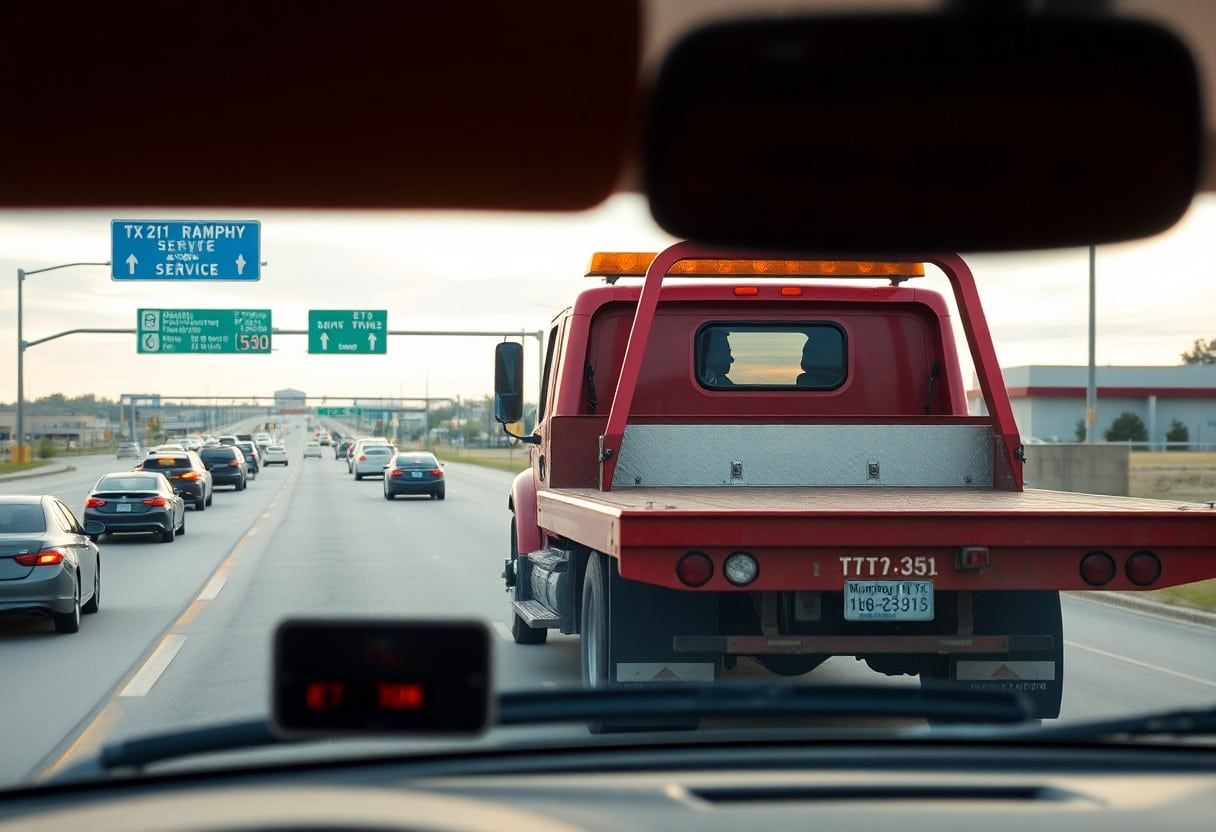
Typing jump start near me usually means the starter clicks, the lights are dim, or the cabin went silent after a short stop—and you need a professional pack now, not hopeful cables from a stranger in a dark lot. ATM Towing Services brings jump equipment around the clock so you can attempt a safe restart and then decide whether the car is healthy enough to drive or needs a tow to a shop.
Need help now? Call (469) 547-5721 or email Contact Us.
Table of contents
- What jump start near me really gets you
- Signs you need a boost, not a guess
- When a jump is enough
- When you need a tow instead
- Safe jump practices on real roads
- What to tell dispatch before they roll
- After the engine starts
- Battery age, heat, and short trips
- Jump starts vs other roadside fixes
- FAQ
- Call ATM Towing
What jump start near me really gets you
A technician arrives with a tested jump pack or cables rated for modern vehicles, connects to proper terminals, and monitors voltage while you attempt a start. That is different from a random motorist pairing two batteries with unknown cable quality. Professional packs reduce the risk of reverse polarity mistakes and give a clearer read on whether the battery simply needs a boost or the starter and charging system are already failing.
Most “near me” searches are time-sensitive: grocery lots, apartment complexes, office decks, church parking, and highway shoulders. Share a precise pin, gate code, or level number so the truck is not circling the wrong entrance while accessories keep draining what little charge remains.
A good jump call ends with one of three honest outcomes: the car runs and you drive with a plan to test the battery, the car runs but should not be trusted for highway miles, or the car will not hold a start and needs car towing the same visit.
Signs you need a boost, not a guess
- Interior lights are weak or flicker when you turn the key
- You hear a rapid click or a single heavy click and nothing else
- The radio and screens reboot or stay dark even though the car was fine yesterday
- You left headlights, dome lights, or accessories on during a long stop
- Cold overnight weather made a tired battery show its age
Not every no-start is a battery. Fuel, immobilizer, or starter faults can look similar from the driver seat. Describe the exact sound and what still powers on—that detail changes whether a pack is worth trying before a tow truck lines up.
When a jump is enough
- Lights were left on and the battery is otherwise healthy
- The car sat unused for days and still clicks once boosted
- You hear a single solid click and accessories wake up after a pack connects
- The vehicle started yesterday and nothing smells like burning wiring
- A short errand drain is obvious and the car has no recent electrical warning lights
After a successful jump, drive long enough for the alternator to recharge, or plan a battery test soon. A jump that dies again at the next short stop is a warning, not a fix. Treat a second failure the same day as a diagnostic problem, not another gamble in the same parking space.
When you need a tow instead
- Repeated jumps in the same week
- Burning smells, smoke, or visible battery damage
- Starter grinds or spins without catching after a solid pack
- You are on a live traffic lane and cannot stay safely for diagnostics
- The car dies again within minutes of restarting
- Hybrid or EV procedures are unclear and the 12V system will not respond
In those cases, switch to a tow or a flatbed so you are not stranded twice. ATM can convert a jump call to a tow when the restart is not trustworthy. That single decision often costs less than two separate service calls hours apart.
Safe jump practices on real roads
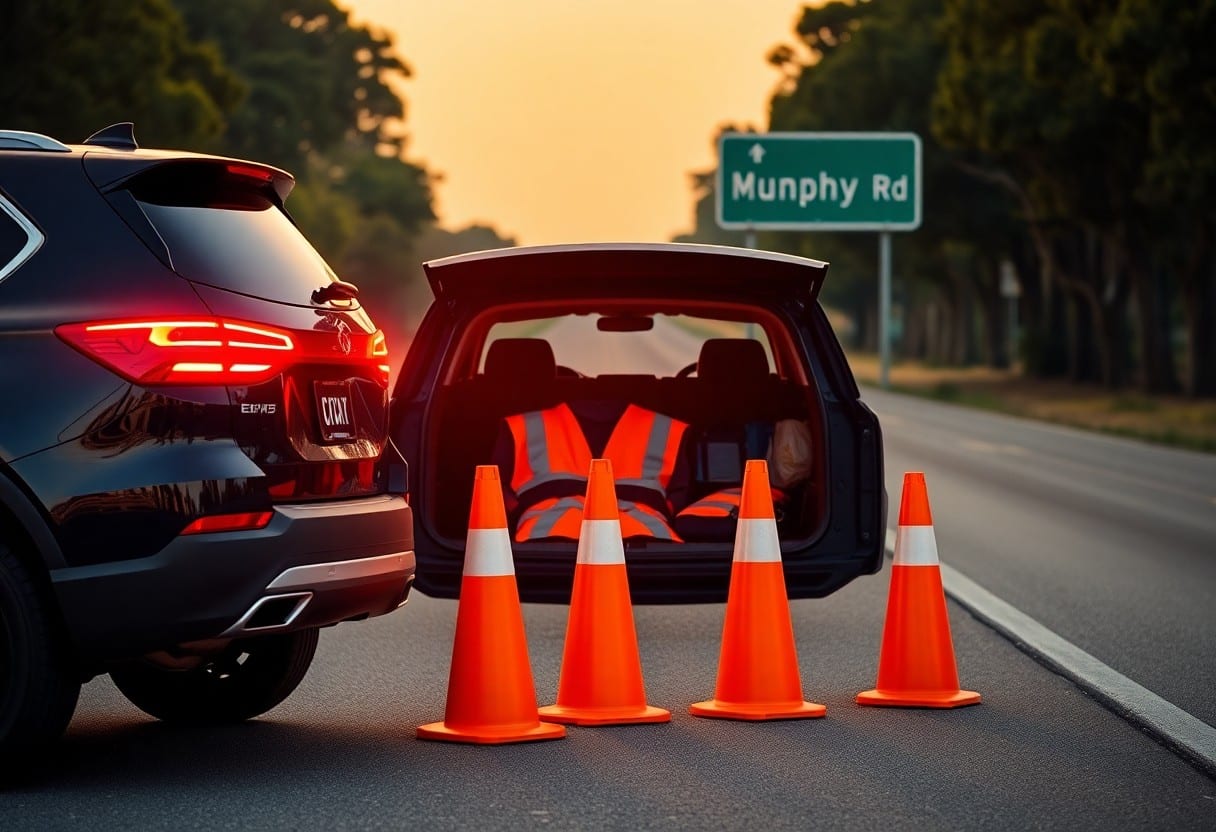
Stay clear of traffic, set the parking brake, and keep kids and pets away from the engine bay. Tell the tech about hybrid or EV systems before cables come out—many need a different approach than a simple 12V boost. Do not keep cranking for long stretches; that heats the starter and drains the pack without solving a deeper fault.
If you are on a shoulder, keep reflective awareness and wait in a safe spot outside the vehicle when instructed. A successful jump is useless if the next merge puts you back into danger. Night calls and rain add slip risk around open hoods—give the tech space and follow their staging directions.
What to tell dispatch before they roll
- Exact location and parking level, lot name, or mile marker
- Year, make, model, and whether the vehicle is hybrid or EV
- What the car does: silent, click, crank-no-start, starts then dies
- Whether you have a spare key and can unlock the hood
- Any aftermarket battery terminals, alarm quirks, or recent electrical work
- Whether you already tried cables or a portable pack yourself
Good detail helps the driver bring the right pack and decide early whether a tow truck should follow. Vague “I’m in a big parking lot somewhere” descriptions waste the minutes you are trying to save.
After the engine starts
Plan a longer drive or a battery and alternator test. Short hops between errands can leave you needing another jump the same day. If the battery is old, swollen, or leaking, replace it instead of collecting more boosts. Keep the dispatch notes if you need roadside-club or warranty documentation later.
Watch for dashboard charging warnings on the drive home. Dim lights at idle, a burning electrical smell, or a second stall are stop-and-call moments—not invitations to keep driving until the next dead zone.
Battery age, heat, and short trips
Texas heat ages batteries faster than mild climates. Short trips that never fully recharge a weak battery create a loop: the car starts at home, dies at the store, gets a jump, and repeats. If your week is mostly five-minute drives, a battery that is already near the end of its life will show up as a “jump start near me” search more than once.
Ask a shop to load-test the battery and check charging voltage after any roadside boost. Replacing a tired battery on your schedule beats waiting on another truck during rush hour.
Jump starts vs other roadside fixes
A dead battery is only one reason cars stop. Flat tires, empty tanks, and lockouts need different tools. If you are unsure which service fits, start with emergency roadside assistance and describe the symptoms. For coverage questions beyond a single boost, see our Texas roadside assistance guide.
If the car needs to go farther than the nearest bay after a failed restart, you may be looking at long distance towing to a preferred shop rather than another temporary boost.
FAQ
How fast can a jump start near me arrive?
ETAs depend on traffic, staging, and how precise your pin is. 24/7 dispatch aims to get a unit to you quickly; highway shoulder jobs may need extra caution before cables come out.
Will a jump fix a bad alternator?
No. A jump can wake the car once, but a failing alternator will leave you stranded again. Treat a second failure the same day as a tow-and-test problem.
Can you jump a hybrid or EV?
Sometimes the 12V support battery can be boosted with the right procedure. Say the model when you call so the tech does not use an incompatible method.
What if the car will not stay running?
Ask for a tow to a shop instead of another roadside gamble. Repeated boosts on a car that will not idle usually waste time and can leave you in a worse spot.
Do I need another car on scene?
No. Professional packs do not require a second vehicle bumper-to-bumper in a crowded lot.
Should I keep driving after a successful jump?
Only if the car runs cleanly and you have a plan to test the battery soon. If warnings appear or the car feels unstable, pull over safely and call for a tow.
Call ATM Towing
Need a jump start near you right now? Call (469) 547-5721 or email Contact Us. If the restart is not solid, we can switch the call to a tow without making you start over with a new company.